
The Internet of Things (IoT) is no longer a buzzword. From smart shelves in stores to connected patient monitors in hospitals, IoT devices are transforming industries worldwide. But here’s the catch — the impact of IoT isn’t the same everywhere.
In this blog, we’ll explore how IoT is shaping the future of Retail, Healthcare, and Logistics — three industries set to see the most disruption and growth from connected technologies.
IoT in Retail: Smarter Shopping Experiences
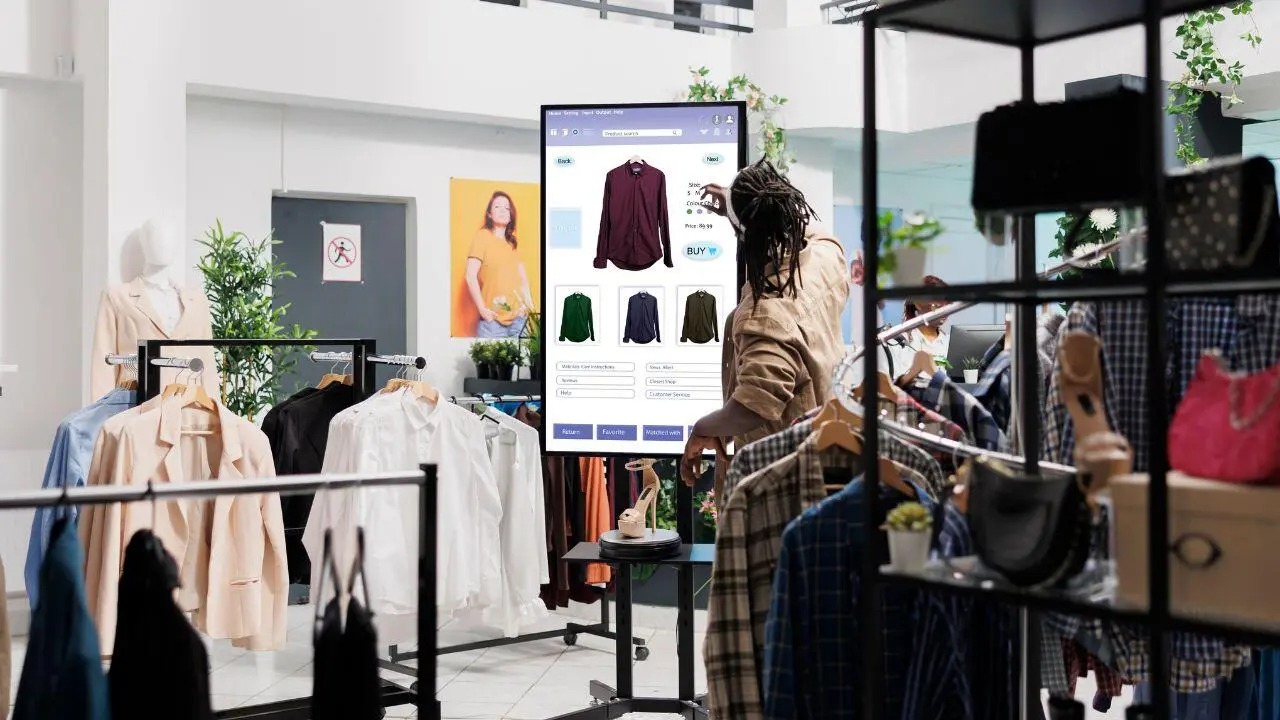
Retailers face two constant challenges: managing inventory and meeting rising customer expectations. IoT provides solutions that tackle both.
- Smart Shelves & RFID Tracking → Prevent stockouts and ensure accurate inventory in real time.
- Customer Behaviour Tracking → Sensors and mobile apps provide insights into in-store movements and buying patterns.
- Frictionless Checkout → Think Amazon Go–style stores where sensors and cameras handle billing automatically.
Future Trend: IoT combined with AI will deliver hyper-personalised shopping experiences, bridging physical and digital retail seamlessly.
IoT in Healthcare: Connected, Predictive, and Patient-Centric
Healthcare systems worldwide face the challenge of delivering quality care with limited resources. IoT is helping bridge this gap.
- Remote Patient Monitoring → Wearables and sensors track vitals like heart rate and blood pressure, sending real-time data to doctors.
- Predictive Analytics → Early detection of conditions through connected medical devices reduces hospital readmissions.
- Telemedicine Integration → IoT-enabled devices feed directly into hospital records, making remote consultations more effective.
Future Trend: Expect “digital hospitals” powered by IoT, where continuous monitoring and home-based healthcare reduce patient load on facilities.

IoT in Logistics: Efficiency and Transparency at Scale
Logistics is the backbone of the global economy, and IoT is revolutionising how goods move from point A to point B.
- Fleet Tracking & Route Optimisation → Real-time GPS and IoT sensors reduce fuel costs and speed up deliveries.
- Automated Warehouses → IoT devices combined with robotics manage inventory and order fulfilment with minimal human error.
- End-to-End Supply Chain Visibility → Businesses and customers track goods at every stage for full transparency.
Future Trend: IoT combined with blockchain will create more secure, transparent, and resilient supply chains.
Cross-Sector Lessons from IoT
While Retail, Healthcare, and Logistics use IoT differently, they all share the same backbone:
- Devices → Edge Processing → Cloud → Apps
The difference lies in the outcomes:
- Retail: Enhances customer experience.
- Healthcare: Improves patient outcomes.
- Logistics: Boosts efficiency and reduces costs.
Risks and Watchouts
Like any technology, IoT adoption comes with challenges:
- Data Security & Privacy: Especially critical in healthcare where sensitive patient data is involved.
- Integration Issues: IoT works best when connected with ERP, CRM, and cloud systems.
- Scalability Concerns: Pilots are easy, but scaling across regions and thousands of devices requires planning.
Key Takeaways
- IoT is not one-size-fits-all – its future impact varies by industry.
- Retail = customer-first innovation.
- Healthcare = better patient care and efficiency.
- Logistics = transparency and cost reduction.
- Leaders who start IoT pilots today will be ready to scale for the future.
The future of IoT is here – and it’s transforming industries one device at a time. Whether you’re a retailer aiming for smarter stores, a healthcare provider moving toward digital hospitals, or a logistics leader seeking efficiency, IoT is your path to long-term growth.